


Puget Sound and Alaska Steamship Co. signed by William Rockefeller - 1890 dated Autographed Stock Certificate
Inv# AG1981 Autograph
Washington
Stock issued to and signed on back by William Rockefeller. Signed by Colgate Hoyt as president. Nice! Rare!
The Puget Sound and Alaska Steamship Co. (PS&ASC), established in 1889 as a subsidiary of the Northern Pacific Railroad, played a pivotal role in the railway’s transcontinental operations. Based in Tacoma, Washington, Captain D. B. Jackson founded the company to provide dependable freight and passenger transport between local Puget Sound ports and the rapidly growing destinations in Alaska. Its early fleet included notable vessels like the City of Seattle, the City of Kingston, and the Eliza Anderson, which helped the company secure a prominent position in the region’s shipping industry during the late 19th century.
The company’s significance reached its zenith during the Klondike Gold Rush of the late 1890s. Its ships were among the first to transport waves of prospectors and essential supplies to the northern territories. However, as the maritime landscape evolved, the company eventually dissolved or was absorbed. By the early 20th century, many of its operations were overtaken by the Alaska Steamship Company and the Puget Sound Navigation Company. The latter, founded by associates like Charles Enoch Peabody, focused on catering to the specialized needs of inland water travel. The PS&ASC remains a significant chapter in Pacific Northwest history, symbolizing the profound financial and logistical connections between 19th-century railroad tycoons like the Rockefellers and the maritime expansion into the “Last Frontier”.
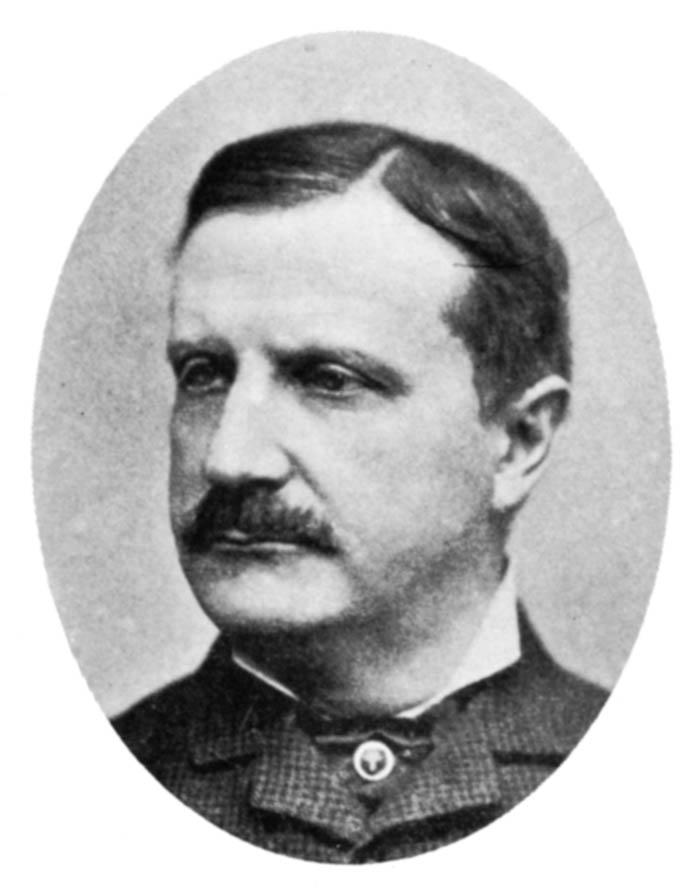
William Avery Rockefeller Jr. (1841-1922) William was a cofounder with his older brother John D. Rockefeller of the prominent United States Rockefeller family. William Avery Rockefeller, Jr. was the son of William Avery Rockefeller, Sr. and Eliza (Davison) Rockefeller. He was born in Richford, New York and in 1853 his family moved to Strongsville, Ohio. He was to later build an ostentatious mansion called "Rockwood Hall", now demolished, which was subsequently located within the Rockefeller family estate of "Pocantico", in Westchester County New York. In 1865, he entered the oil business by starting a refinery. In 1867, his brother's company, Rockefeller & Andrews, absorbed this refinery, and in 1870, the company became Standard Oil. William Rockefeller built Standard Oil's vast export business in New York and was responsible for that entire operation. In 1872, he played an instrumental role in settling the battles between the refiner's combinations and the crude oil producers. During this time, he formed close alliances with many of the East's most important oil men such as Henry H. Rogers and Charles Pratt, eventually bringing them into Standard Oil.
William was a trustee of the Standard Oil Trust until its dissolution in 1890. Rockefeller, along with Henry Rogers, devised a deceptive scheme which made them a profit of $36 million. First, they purchased Anaconda Properties from Marcus Daly for $39 million, with the understanding that the check was to be deposited in the bank and remain there for a definite time (National City Bank was run by Rockefeller’s friends). Rogers and Rockefeller then set up a paper organization known as the Amalgamated Copper Company, with their own clerks as dummy directors, saying the company was worth $75 million. They then had the Amalgamated Copper Company buy Anaconda from them for $75 million in capital stock, which was conveniently printed for the purpose. Then, they borrowed $39 million from the bank using Amalgamated Copper as collateral. They paid back Daly for Anaconda and sold $75 million worth of stock in Amalgamated stock to the public. They paid back the bank's $39 million and had a profit of $36 million in cash. So, by deceiving Daly, the bank, and the public, Rockefeller and Rogers had made Amalgamated Copper a $36 million profit before the company was even operating. Amalgamated controlled the mines of Butte, Montana, and later became the Anaconda Copper Company. Married to Almira Geraldine Goodsell, he built up the National City Bank of New York, now part of Citigroup. He had 6 children. Upon his death in 1922, he left a fortune estimated at between $150 million and $200 million.
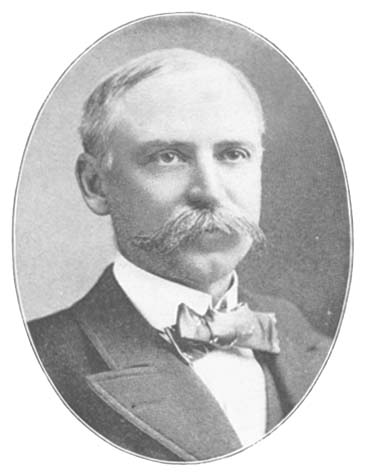
Colgate Hoyt (1849–1922) was a prominent American financier and businessman who significantly contributed to the expansion of the American railroad system during the late 19th century. Born in Cleveland, Ohio, into a distinguished family, he was the son of James M. Hoyt, a successful lawyer and real estate developer. After starting his career in his father’s law office, Hoyt relocated to New York City in 1881 to become a partner in the banking house of James B. Colgate & Company. His financial acumen swiftly propelled him to prominence on Wall Street, where he specialized in the reorganization and capitalization of major industrial and transportation enterprises.
Hoyt’s professional legacy is marked by his leadership in several pivotal ventures, including serving as a director and vice-president of the Northern Pacific Railway and the Oregon Railway and Navigation Company. He played a crucial role in the development of the Pacific Northwest, co-founding Everett, Washington, which honored him by naming a main street in his memory. Beyond his business endeavors, Hoyt was an avid yachtsman and a dedicated member of the Baptist church. Notably, he collaborated with his brother, Reverend Wayland Hoyt, to fund the first “chapel cars” used for missionary work along railroad lines. Hoyt resided at his Eastover estate in Oyster Bay until his passing in 1922.




Ebay ID: labarre_galleries