


Edison Phonographs, Ltd. Signed by Charles Edison - 1919 dated Autograph Stock Certificate
Inv# AG2567 Stock
Stock signed by Charles Edison on back. Unattached stub with 10 dollars, 2 dollars and 50 cents revenue stamps!
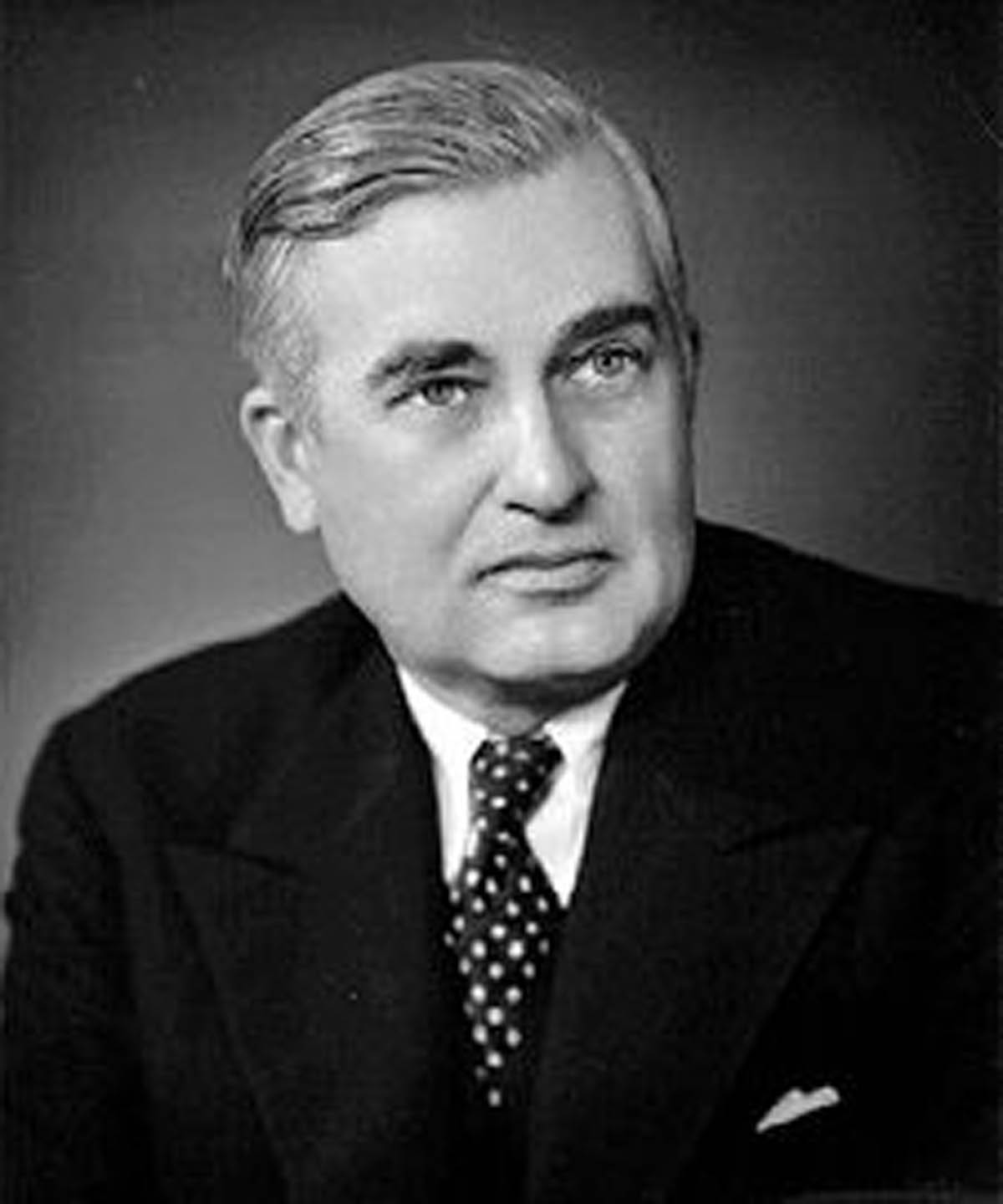
Charles Edison, a prominent American businessman and politician, carved out a remarkable career that surpassed the legacy of his renowned father, inventor Thomas Alva Edison. Born on August 3, 1890, in West Orange, New Jersey, Charles pursued his passion for engineering and graduated from the Massachusetts Institute of Technology in 1913 with a degree in electrical engineering. After a brief stint as the creative force behind the avant-garde Little Thimble Theater in New York, his father guided him into the family business. Through diligent work and strategic maneuvering, Charles ascended the corporate ladder, eventually assuming the presidency of Thomas A. Edison, Inc. in 1927. Under his leadership, the multi-industry conglomerate weathered the challenges of the Great Depression and navigated the evolving landscape of modern industry until its sale and merger into the McGraw-Edison Electric Company in 1957.
Beyond his corporate achievements, Edison also made significant contributions to public service at both the state and national levels. Recognizing his exceptional executive abilities, President Franklin D. Roosevelt appointed him Assistant Secretary of the Navy in 1937, and he later became the U.S. Secretary of the Navy in 1940. During his tenure, Edison championed naval modernization, notably advocating for the construction of formidable Iowa-class warships such as the USS New Jersey. However, he resigned later that year to transition into state politics, defying family tradition by running as a Democrat. His political career culminated in his election as the 42nd Governor of New Jersey, serving from 1941 to 1944. In this role, he effectively challenged entrenched local political machines and spearheaded crucial state constitutional reforms. Later in life, Edison dedicated himself to philanthropy by establishing the Charles Edison Fund, which provided support for scientific research, history, and medical innovation. His legacy endures as a testament to his commitment to civic reform and industrial leadership, leaving behind a lasting impact on the nation. Edison passed away on July 31, 1969, leaving behind a legacy that continues to inspire generations.
The history of Thomas Edison's audio ventures began when he invented the phonograph in 1877, a groundbreaking device that recorded and played back sound using tinfoil cylinders. To commercialize his invention, he established the Edison Speaking Phonograph Company in 1878, initially focusing on business dictation, clocks, and educational tools. After a brief hiatus to focus on the incandescent light bulb, Edison returned to sound engineering to counter competing formats like Alexander Graham Bell's graphophone. This led to the formation of the Edison Phonograph Company on October 8, 1887, and the incorporation of the Edison Phonograph Works in May 1888 to manufacture the machines at his West Orange, New Jersey factory.
As the business evolved, the organization transitioned into the National Phonograph Company in 1896 to target the home entertainment market with mass-produced wax cylinders. By 1911, the enterprise reorganized into Thomas A. Edison, Inc., driving key audio innovations like the unbreakable Blue Amberol cylinders and the vertically-cut Diamond Discs. However, Edison rigidly resisted switching to standard lateral-cut flat discs because he believed cylinder recordings provided superior acoustic fidelity. This refusal to adapt to broader industry trends, combined with intense competition from the Victor Talking Machine Company and the rapid rise of commercial radio, ultimately eroded the company's market dominance. Bowed by financial pressure, the historic Edison phonograph business officially ceased all recording production in October 1929, marking the end of an era in audio history.
A stock certificate is issued by businesses, usually companies. A stock is part of the permanent finance of a business. Normally, they are never repaid, and the investor can recover his/her money only by selling to another investor. Most stocks, or also called shares, earn dividends, at the business's discretion, depending on how well it has traded. A stockholder or shareholder is a part-owner of the business that issued the stock certificates.




Ebay ID: labarre_galleries