


Overland Stage Line Receipt - circa 1860's "Dangers of War and Fire Expected" in Red Print - Company was Owned by Ben Holladay - Unissued Receipt
Inv# AU1730
"Dangers of War and Fire Expected" in Red Print. Unissued receipt for the Overland Stage Line. Company was owned by Ben Holladay. Not signed. Rare!
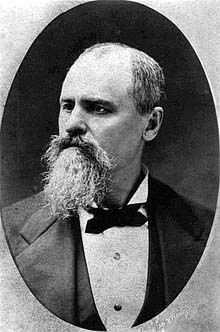
Benjamin Holladay (October 14, 1819 – July 8, 1887), widely called the “Stagecoach King,” was a leading 19th-century American transport figure who influenced the growth of the West. Born on October 14, 1819, in Nicholas County, Kentucky, he moved to Missouri as a youth and earned a reputation as a bold entrepreneur. He gained vital supply experience during the Mexican-American War in 1846 by providing wagons and goods to the U.S. Army. After the conflict, he expanded freight work and built profitable routes to Salt Lake City and California. By the 1860s, he acquired the failing Pony Express and created the Overland Stage Route, building a vast network that held nearly exclusive mail contracts and made him the nation’s largest employer.
Foreseeing that the transcontinental railroad would end stagecoach use, Holladay sold his lines to Wells Fargo in 1866 for $1.5 million in cash and stock. He moved his headquarters to Portland, Oregon, shifting wealth into Pacific Northwest rail and steamship ventures. Known for a flamboyant life, he kept several grand homes and constructed the Seaside House resort on the Oregon coast for local elites. Yet his fortune collapsed during the global market crash of September 1873. Burdened by foreclosures and ongoing lawsuits over assets, Holladay spent his last years in legal disputes before dying relatively poor in Portland on July 8, 1887.
The Overland Stage Line, also known as the Overland Stage Company, served as a leading mid-19th-century network that transformed mail and passenger travel across the American West. Founded during rapid westward expansion and the Civil War’s disruption of southern paths, the line gained global attention under transportation tycoon Ben Holladay, called the “Stagecoach King.” Aware of Native American conflicts along the northern Oregon Trail, Holladay obtained a profitable U.S. government mail contract in 1862 and shifted operations south to the Overland Trail. This route started in Atchison, Kansas, passed through Colorado’s expanding mining centers, and looped into southern Wyoming before meeting the original trail at Fort Bridger. With Holladay’s careful management, the company developed extensive infrastructure—such as organized division stations and top horse-and-mule teams—to guide Concord stagecoaches across a challenging 1,000-mile wilderness.
Despite its scale, the Overland Stage Line struggled with heavy costs, financial strain, and frequent ambushes from outlaws and regional tribes protecting their lands. Anticipating that the coming railroad would end horse-drawn travel, Holladay sold the business to Wells, Fargo and Company in late 1866 for $1.5 million. Wells Fargo kept the coaches running from railheads to carry frontier mail and passengers. Yet the age of transcontinental staging ended suddenly in 1869 when the First Transcontinental Railroad offered a quicker, safer, and more comfortable option for crossing the continent.




Ebay ID: labarre_galleries